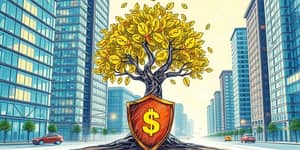
In an era marked by rapid change and uncertainty, the concept of intelligent conservatism offers a compelling vision for economic stability and expansion. strategic imperative for the future This approach moves beyond traditional partisan divides, focusing on practical solutions that benefit all citizens.
As we look to 2026 under a second Trump administration, this philosophy is being put into action with bold policies aimed at fostering growth while shielding against risks. The balance is delicate, but it holds the promise of a more secure and prosperous America.
Central to this vision are two complementary forces: pro-growth measures and protective actions that work in harmony. From tax reforms to immigration controls, every decision is crafted to sustain momentum without compromising security, ensuring that the economy thrives even in turbulent times.
At the heart of intelligent conservatism lies a commitment to unleashing economic potential through targeted incentives and deregulation. These measures are designed to stimulate investment, innovation, and job creation across various sectors.
Key policies include permanent tax cuts under the OBBBA, which have prevented a massive tax hike and boosted manufacturing incentives. tax cuts and deregulation efforts Additionally, investments in artificial intelligence and technology are driving capital expenditure, fueling long-term growth.
The Federal Reserve's role has been crucial, with rate cuts to a target range of 3.5%-3.75% by late 2025. This monetary support, combined with the end of quantitative tightening, has provided liquidity and confidence to markets.
These efforts are not just about short-term gains; they aim to build a foundation for sustained economic vitality. AI investment and consumer spending are expected to be primary drivers, supported by a favorable policy environment that encourages risk-taking and entrepreneurship.
While growth is essential, intelligent conservatism equally prioritizes protective measures to insulate the economy from external and internal threats. This involves careful management of spending, trade, and immigration to maintain equilibrium.
Spending cuts have been a focal point, with the Department of Government Efficiency targeting $2 trillion in reductions before winding down. spending cuts and efficiency drives Further proposals from the Republican Study Committee aim to trim an additional $1.6 trillion from healthcare and welfare programs, focusing on eliminating what they term "woke programming" and climate mandates.
Trade policies have introduced "Liberation Day" tariffs, which caused volatility in 2025 but are now seen as tools for negotiating fair deals that prioritize American interests. Immigration controls, including forced and voluntary deportations, have reduced labor supply, helping to stabilize job markets and curb inflationary pressures.
These protective actions are designed to create a resilient economic buffer, ensuring that growth does not come at the expense of financial security or social stability. debt management and inflation control are critical components, with interest payments and deficit levels under constant scrutiny.
To understand the impact of these policies, it's essential to examine key economic projections and their implications for wealth and growth. The table below summarizes various scenarios and drivers, providing a clear picture of potential outcomes.
These projections highlight the importance of balancing growth drivers with protective buffers. productivity spikes and AI investments are key to avoiding stagnation, while global trends remind us of the interconnected nature of modern economies.
The U.S. balance sheet context shows that debt peaked in 2021 but has receded due to inflation and real GDP growth. However, debt to GDP ratios and interest payments remain significant concerns, with projections indicating potential crowding out of investment if not managed wisely.
Implementing intelligent conservatism is not without its hurdles. Various challenges and trade-offs must be navigated to maintain the delicate equilibrium between growth and protection.
Inflation and recession fears persist, with tariffs potentially raising prices and public expectations of economic weakness in 2026. tariff volatility and inflation risks are real, requiring careful policy adjustments to avoid destabilizing effects.
Health care reforms under the OBBBA have cut eligibility for low-income households and immigrants, leading to higher premiums and political tensions. The expiration of ACA enhanced premium tax credits has exacerbated these issues, with Democrats pushing for extensions that could risk government shutdowns.
These challenges underscore the necessity of a nuanced approach. GOP fractures and midterm pressures add complexity, with factions debating the extent of cuts versus affordability platforms. Balancing growth with environmental and social sustainability is also critical, as practices must not sacrifice long-term viability for short-term gains.
Looking ahead, the success of intelligent conservatism hinges on continued adaptation and collaboration. By learning from past experiences and anticipating future trends, policymakers can refine strategies to enhance both growth and protection.
Productivity must remain a central focus, with the 2024 spike in U.S. productivity serving as a model for global efforts. AI and capital expenditure sustainability will be vital in maintaining the 1.8% growth rate projected for 2026, while also addressing wealth disparities.
The 2026 midterms will be a pivotal moment, testing GOP unity on cuts and taxes against Democratic pushes for progressive credits. Trump's proposed healthcare overhaul could reshape the landscape, emphasizing affordability and efficiency.
Ultimately, intelligent conservatism is about crafting a resilient economic narrative. optimistic outlooks and cautious preparations must coexist, drawing on lessons from Fed backing and OBBBA delivery while mitigating risks like debt cliffs and tariff impacts.
By embracing this balanced approach, we can build an economy that not only grows but endures, providing security and opportunity for generations to come. The journey requires vigilance, but the destination—a prosperous and protected America—is well within reach.
References