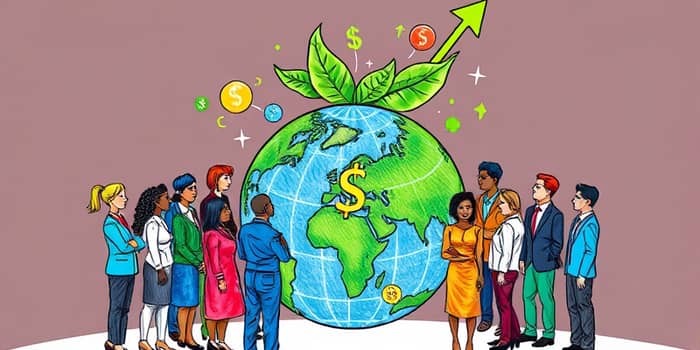
In an ever-evolving global economy, the decisions we make with capital can ripple beyond balance sheets and spreadsheets. They can shape communities, protect the environment, and lay foundations for future generations. This article explores how investors, advisors, and institutions can embrace ethical finance as a guiding star—ensuring that profit and purpose walk hand in hand.
At its core, finance is about stewardship: deploying resources to generate value while managing risk. Yet without a moral compass, those resources can be misused, causing harm to clients, societies, and the planet. Moral principles and standards guiding financial actions do more than satisfy regulations—they build trust and long-term resilience.
Ethics in finance goes beyond ticking compliance checkboxes. It asks hard questions about who benefits from a transaction, who may be disadvantaged, and how to ensure fairness in all dealings. When institutions commit to fair dealing and responsible resource management, they protect client interests, secure market confidence, and foster sustainable growth.
To translate high-level ideals into daily practices, financial professionals rely on foundational principles. These core values shape how decisions are made, how risks are disclosed, and how relationships are nurtured.
Bringing these ideals into real-world scenarios requires structured frameworks and mindful implementation. From crafting codes of conduct to setting up reporting mechanisms, organizations embed ethics into their DNA.
One powerful tool is a clear code of ethics that outlines expected behaviors and provides avenues for whistleblowing. Training programs reinforce these standards, while leadership by example cements a culture where integrity is celebrated and compromised behavior is swiftly addressed.
Real-life examples illuminate the stakes of ethical finance. Consider a regional bank executive who evaluates loan applications purely on merit. By communicating terms clearly and disclosing all risks, she fosters strong client relationships and community growth. Contrast this with a loan officer who approves loans based on personal incentives rather than creditworthiness—undermining trust, generating defaults, and eroding the institution’s reputation.
Another cautionary tale is insider trading, where those with privileged information exploit markets at others’ expense. Even if legal loopholes emerge, such behavior violates the spirit of fairness and transparency, tainting entire sectors and triggering regulatory clampdowns.
Choosing ethics isn’t merely altruistic—it makes sound business sense. Organizations that champion integrity enjoy higher client retention, stronger investor confidence, and enhanced market liquidity. Ethical conduct curbs manipulation, reduces litigation risks, and fosters innovation by attracting talent aligned with a purpose-driven mission.
For individual investors, aligning portfolios with environmental, social, and governance goals can yield competitive returns while promoting positive change. Whether funding clean energy initiatives or supporting affordable housing, these investments prove that profitability and social impact can coexist harmoniously.
How can you, as an individual or as part of an institution, translate these principles into tangible actions? Consider these steps:
As stewards of capital, each of us wields the power to shape the future. By embedding ethics into every decision—big or small—we can build financial systems that earn trust, foster inclusive growth, and safeguard our planet’s resources.
Embrace transparency. Demand accountability. Prioritize both profit and purpose. In doing so, you become a catalyst for lasting positive change, proving that finance, at its best, is a force for good.
References