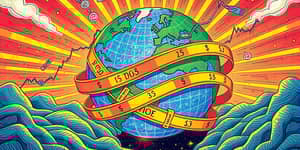
In an age of technological abundance, companies and institutions often employ deliberate restriction of abundant resources to shape consumer behaviors and profits. This deliberate practice, artificial scarcity, influences markets, societies, and individual choices in profound ways.
Artificial scarcity arises when entities intentionally limit supply or access to goods and services that could be produced or replicated at near-zero marginal cost. Unlike natural scarcity—rooted in finite natural endowments—this phenomenon constructs barriers where none need exist. By manipulating human psychology and desire, providers inflate perceived value and drive urgency.
Psychological levers, including the endowment effect and loss aversion, ensure that limited availability heightens the fear of missing out. Veblen goods further demonstrate how price itself can become a badge of exclusivity, encouraging consumers to equate higher cost with greater status.
Within late-stage capitalism, artificial scarcity functions as a “regulatory valve” to maintain profitability amid overproduction risks. Organizations use a range of tactics—planned obsolescence, intellectual property monopolies, inventory manipulation, proprietary design, and deliberate underproduction—to sustain revenue streams and justify premium pricing.
By lowering distribution efficiency while maximizing production capacity, these tactics concentrate wealth at the top and undermine equitable access. They transform potentially abundant innovations into exclusive privileges, disconnecting price from true production costs.
Although technological advances could democratize access to essential goods, artificial scarcity perpetuates inequality and waste. Wealth distribution skews further toward elites, while lower-income populations face inflated prices or outright exclusion from vital resources.
These systemic distortions feed into larger economic fluctuations: recessions, layoffs, and crises reappear as markets oscillate between overproduction and scarcity-induced profitability. Meanwhile, ecological overshoot intensifies as resources are diverted toward novelty rather than genuine human needs.
Across industries, artificial scarcity shapes both consumer behavior and corporate strategy. In digital technology, subscription locks and proprietary formats prevent sharing even when reproduction is costless. Fast fashion brands manipulate stock levels to keep trends ephemeral. In pharmaceuticals and software, patent regimes grant monopolies on ideas that could otherwise be freely disseminated.
These examples illustrate how scarcity narratives sustain premium markets, foster FOMO buying, and erode long-term trust between producers and consumers.
Artificial scarcity raises profound ethical questions. Companies often obscure limitations, deploying undisclosed barriers to fair access and manipulating consumers through deception. Such tactics exacerbate social injustice by denying equitable entry based on cost or exclusivity.
Environmental consequences are equally severe. By prioritizing short-term rents over sustainable design, businesses fuel planned obsolescence and disposability. Landfills overflow with devices built to die, while the planet’s finite resources endure relentless strain.
Critics argue that these practices conflict with circular economy principles, which emphasize repair, reuse, and resource regeneration. Instead, proprietary designs and non-standard components lock materials into waste streams rather than closing loops.
Despite entrenched scarcity mindsets, pragmatic alternatives exist. By embracing transparency, collaboration, and sufficiency, communities and businesses can reorient toward enduring value and shared benefit.
These approaches disrupt monopolistic scarcity by democratizing production and incentivizing maintenance over replacement. Open-source initiatives empower local manufacturing, while service-oriented models align profit with stewardship rather than planned waste.
The economics of artificial scarcity reveal a choice: continue valorizing exclusivity and engineered shortage, or shift toward abundant, sustainable systems that serve collective well-being. By recognizing how scarcity is constructed—and embracing innovative models built on transparency—we can unlock genuine abundance for all.
As consumers, creators, and policymakers, our decisions today will shape whether future economies favor hoarded privilege or shared prosperity. The path forward demands courage to dismantle invisible barriers and courageously build a world where abundance is not rationed but celebrated.
References