In the fast-paced world of finance, the allure of quick profits often leads investors into treacherous waters.
History is littered with tales of massive wealth creation followed by devastating losses, all driven by speculative manias.
Understanding these cycles is not just academic; it is crucial for safeguarding your financial future.
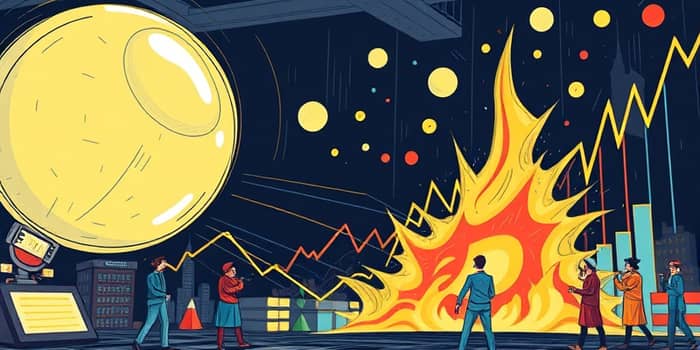
Investment bubbles represent periods where asset prices skyrocket beyond their true worth, fueled by collective euphoria and irrational behavior.
When the bubble bursts, the fallout can be catastrophic, wiping out fortunes and destabilizing economies.
The Anatomy of an Economic Bubble
At its core, an economic bubble occurs when asset prices significantly exceed their intrinsic value.
This disconnect is often driven by speculation rather than fundamentals, creating a fragile ecosystem.
Key drivers include excess liquidity from central banks and psychological factors like herd mentality.
Such bubbles can affect equities, real estate, cryptocurrencies, and more, amplifying risks through leverage.
Recognizing these patterns early can help you navigate volatile markets with greater confidence.
The Five Stages of a Bubble
Economists like Hyman Minsky have outlined a clear progression that bubbles typically follow.
Understanding these stages can help you anticipate shifts and protect your investments.
- Displacement: An external shock, such as innovation or policy change, creates new profit opportunities.
- Boom: Asset prices begin to rise, often fueled by speculative buying for quick profits.
- Euphoria: Speculation becomes democratized, with prices detaching from fundamentals like earnings.
- Financial Distress: Prices plateau, and investors start selling to cover mounting debts.
- Revulsion or Crash: Panic selling ensues, causing prices to plummet dramatically.
This model shows how irrational exuberance can lead to inevitable collapse.
Historical Lessons from Major Bubbles
Learning from past mistakes is key to avoiding future pitfalls.
Here are some pivotal examples that highlight the dangers of speculative excesses.
- Tulip Mania (1630s, Netherlands): Bulb prices soared to absurd levels, with one bulb equaling a luxury house, only to crash into worthlessness.
- South Sea Bubble (1720, UK): Company stock surged on hype but crashed due to fraud, wiping out fortunes.
- Wall Street Crash (1929): Margin buying fueled stock rises, leading to the Great Depression and massive unemployment.
- Dot-Com Bubble (late 1990s-2000): Internet stocks with no profits collapsed, causing Nasdaq to lose about 80% of its value.
- US Housing Bubble (2000s): Cheap credit and subprime loans triggered the 2008 financial crisis and global meltdown.
- GameStop Meme Bubble (2021): Reddit-driven speculation led to a short squeeze and subsequent collapse with significant losses.
These events underscore the devastating consequences of unchecked speculation.
Drivers of Speculative Manias
Several factors contribute to the formation and expansion of bubbles.
By recognizing these drivers, you can better assess market risks.
- Liquidity Overuse: Central bank interventions, like the Fed's money supply increases in 2020, flood markets with cheap credit.
- Leverage and Margin Debt: Tools like options and leveraged ETFs amplify gains but also losses, doubling risks in euphoric phases.
- Psychological Factors: FOMO (fear of missing out), euphoria, and the belief that "this time is different" fuel irrational behavior.
- Innovation and Hype: New technologies, such as cryptocurrencies or EVs, attract speculative capital without solid fundamentals.
- Market Metrics: High options volume, low volatility periods, and extreme P/E ratios signal potential overheating.
Staying vigilant to these warning signs is essential for prudent investing.
How to Spot a Bubble in Real-Time
Identifying bubbles before they burst is challenging but not impossible.
Look for key indicators that suggest prices have detached from reality.
- Prices far exceed intrinsic value, with no profits to justify the hype.
- Surges in speculation, such as increased options trading or retail frenzy on platforms like Reddit.
- Valuations at extremes, like tech stocks being "priced for perfection" without revenue growth.
- Detachment from fundamentals, where volatility stems from dealer hedging rather than earnings reports.
- Historical parallels, where low volatility and central bank interventions precede bursts.
- Post-bubble analysis often reveals these signs, but in real-time, they require careful monitoring.
Regularly assessing these factors can help you avoid costly mistakes.
Strategies to Avoid Speculative Excesses
Protecting your portfolio requires a disciplined approach grounded in fundamentals.
Here are practical steps to navigate bubble-prone markets.
- Focus on Fundamentals: Base investments on intrinsic value and sound analysis, not hype or trends.
- Implement Risk Management: Diversify across asset classes and avoid excessive leverage during euphoric phases.
- Monitor Key Indicators: Watch metrics like options volume and leveraged products, and exit at signs of financial distress.
- Learn from History: Apply lessons from past crashes, such as post-1929 regulations, to current investment strategies.
- Adopt Long-Term Tactics: Prioritize steady growth over speculative gains, and stay vigilant in bull markets.
By embracing these prudent practices, you can build resilience against market volatility.
Investment bubbles are a recurring feature of financial history, but they don't have to dictate your fate.
With knowledge and caution, you can identify risks and seize opportunities without falling prey to excess.
Remember, the key to enduring success lies in balancing optimism with realism in every decision you make.