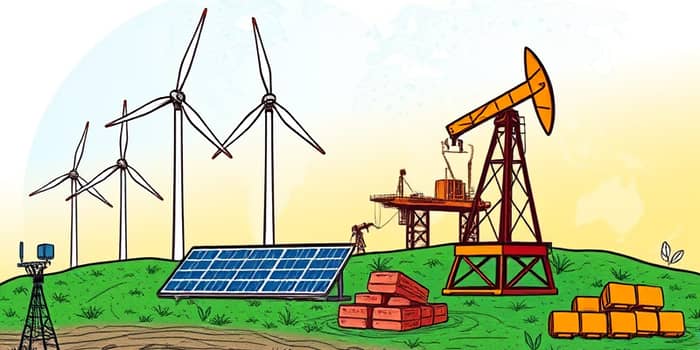
As we approach 2026, global commodity markets present a complex mix of promise and unpredictability. Investors can capitalize on rising demand for metals, energy, and agriculture while navigating sudden price swings. This guide explores the outlook, highlights key opportunities, examines risk drivers, and offers practical strategies to build resilient portfolios in an ever-changing environment.
After several years of turbulence, the commodity sector is poised for recovery and selective rallies. Analysts project that broad commodities enter 2026 optimistically thanks to improving macro conditions and structural themes. Growth in emerging markets, ongoing infrastructure spending, and a gradual decline in pandemic-induced distortions underpin this cautious optimism.
Central banks are expected to deliver modest rate cuts by mid-year, creating a supportive macro base case with Fed rate cuts that could bolster returns across energy, metals, and agriculture. Combined with recovering global GDP growth, this environment may offer attractive entry points for long-term investors seeking diversification beyond equities and bonds.
Despite a forecasted drop to six-year lows in average commodity prices, tight pockets persist. In sectors where supply chains are constrained or investment lags demand, selective rallies remain possible. A balanced view suggests overall prices may soften, but structural shifts in supply and demand will drive areas of pronounced outperformance.
The transition to a low-carbon economy, metal deficits, energy recovery, and agricultural resilience create distinct niches for active investors.
Collectively, these segments offer both growth and diversification. Blending cyclical plays like oil with structural metals and defensive agriculture can smooth portfolio returns while capturing upside from distinct market drivers.
Markets never move in a straight line. Understanding the root causes of price swings is essential to weathering downturns and timing entries.
These factors interact in complex ways. For example, a drought may reduce grain output while fueling renewable energy demand, creating diverging price pressures across sectors. Active monitoring and flexible strategies are key to responding effectively.
A prudent combination of instruments and diversification can limit downside and harness upside. A prudent combination of derivatives and futures can serve as an effective hedge against price swings, locking in cost or revenue levels during turbulent periods.
Investors should also maintain broad exposure across energy, metals, and agriculture, balancing short-term tactical positions with long-term thematic allocations. Regularly revisiting assumptions on demand growth, supply disruptions, and policy shifts will keep strategies aligned with evolving market realities.
By integrating deep market research with disciplined risk controls, investors can turn volatility into opportunity. The transition to clean energy, emerging-market consumption growth, and the evolving geopolitical landscape ensure commodities will remain at the heart of global finance.
Embrace a forward-looking mindset, remain agile in execution, and use the tools available—from derivatives to diversified baskets—to craft a resilient portfolio. The commodity cycle offers both ebb and flow; with preparation and insight, you can navigate challenges and seize rewards in the dynamic markets of 2026 and beyond.
References