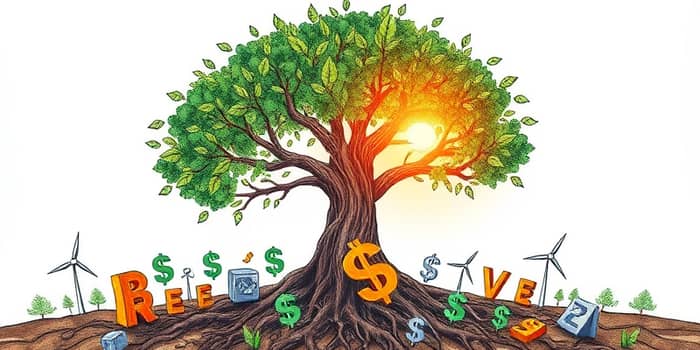
In an age where purpose meets profit, understanding the pillars that support sustainable wealth is more vital than ever.
By embracing strategies that marry financial returns with environmental and social impact, investors can cultivate a future of prosperity that endures.
The sustainable assets under management (AUM) in the U.S. soared to $6.6 trillion in 2025, representing 11% of the total $61.7 trillion market. Globally, asset owners and managers are rallying behind green strategies, with unwavering commitment to sustainable growth even amid political headwinds.
More than 90% of North American asset owners expect to increase sustainable allocations in the next two years. In Europe, 82% anticipate raising their green exposure, while 85% of APAC investors share that outlook.
This explosive growth is driven by robust financial performance and track record, with stewardship policies covering 69% of market AUM in 2025, emphasizing long-term value creation through stewardship.
Investors today deploy a range of approaches that align capital with purpose. Key strategies include:
These pillars form the foundation of a transformative investment approach built on trust, empowering individuals and institutions to pursue financial goals while driving positive change.
Constructing a portfolio that weathers market cycles and maximizes impact requires disciplined diversification and allocation.
Most investors employ broad ESG funds as core holdings and position thematic or impact vehicles as satellites. Green bonds add stability and reduce volatility, especially for those nearing key milestones.
This approach fosters balanced asset allocation for risk management and aligns investments with personal values and long-range goals.
Avoiding greenwashing is critical. Investors should seek funds with transparent mandates, third-party verification, and clear impact reporting. Not every clean energy fund guarantees real-world benefits without disclosed mechanisms.
Stewardship and engagement underline a maturing market. Firms sharpen their focus on fiduciary duty and material disclosures, ensuring that portfolio companies adhere to high standards of environmental and social performance.
Policy support—from green tax incentives to blended finance initiatives—further underpins the sustainable investment ecosystem. The upcoming relaunch of the Net Zero Asset Management initiative in early 2026 will reinforce commitments across the industry.
The pathway to meaningful impact aligned with the SDGs begins with a solid foundation. Fifty percent of investors now incorporate United Nations Sustainable Development Goals into decision frameworks, with climate action, clean energy, and gender equality at the forefront.
Innovations in nature finance, such as the Tropical Forests Forever Facility aiming to raise $100 billion, spotlight the potential of blended finance to unlock capital for biodiversity and conservation.
Beyond financial returns, sustainable wealth building embraces broader community well-being. Strategies like public banks, cooperatives, and worker-owned businesses demonstrate how capital can catalyze inclusive growth.
High-net-worth and mass-affluent investors alike are aligning portfolios with purpose. With projected mass-affluent assets growing at a 5.4% annual pace through 2028, the momentum behind sustainable allocations remains strong.
Ultimately, sustainable wealth is about forging a legacy. By embracing community-driven wealth-building strategies for everyone, investors can nurture prosperity that endures across generations while safeguarding the planet we call home.
References