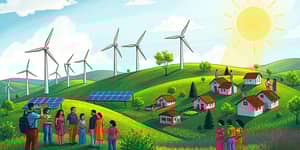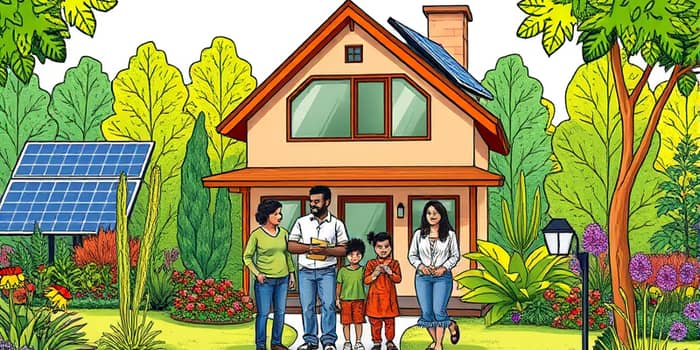
In a rapidly warming world, finding ways to finance our homes sustainably has never been more urgent. Green mortgages and related financing instruments offer a path toward environmental stewardship without sacrificing comfort or financial security.
This article explores how such products work, why lenders champion them, and how individuals can leverage a variety of green financing options to reduce their carbon footprint in households and build wealth.
A green mortgage is a mortgage product specifically targeted at properties that meet rigorous sustainability criteria. These mortgages reward buyers of eco-friendly homes or encourage renovation projects that improve energy performance.
Typical eligibility includes an energy performance rating of A or B (or equivalent national labels), certification through schemes like LEED or BREEAM, or a borrower’s commitment to installing insulation, efficient heating, or renewable energy systems.
Lenders structure green mortgages to reflect the lower interest rates and fees associated with energy-efficient homes. By acknowledging that sustainable properties often have reduced utility costs, underwriters view borrowers as having improved repayment capacity.
Key features include:
Underwriting models factor in projected utility bill savings and the likelihood of long-term resilience and lower default risk, creating a win-win for both lenders and homeowners.
Financial institutions pursue green mortgages for several compelling reasons:
The long horizons of mortgage loans (often 25–30 years) incentivize lenders to finance assets poised to remain low-risk and valuable over decades.
Beyond green mortgages, several other green financing tools can support sustainable living and business practices:
Government and multilateral programs amplify private investment in sustainable projects. Examples include the EU’s LIFE and InvestEU programs, which provide grants and favorable loan terms for energy efficiency and clean transport.
National initiatives, such as Germany’s KfW low-interest loans or France’s ADEME grants, further reduce upfront costs and improve project viability.
Governments often supplement green financing with:
Additionally, households or businesses that generate verified carbon credits through reforestation or renewable energy can sell these credits to create an additional revenue stream for sustainability.
Benefits of green mortgages and related financing include:
However, risks exist. Borrowers may face higher upfront renovation costs, certification fees, or uncertain long-term savings if energy prices fluctuate. Lenders must also verify compliance and monitor project performance.
As awareness of climate risks grows, we observe key trends shaping sustainable finance:
1. Integration of smart home technology with green finance, allowing real-time monitoring of energy savings.
2. Expansion of sustainability-linked products across consumer finance, automotive loans, and small business credit lines.
3. Increased use of digital platforms for streamlined application and impact reporting, making green finance accessible to broader demographics.
Homeowners and businesses interested in sustainable financing can follow these guidelines:
Green mortgages and related financing tools represent a powerful means to revolutionise home energy efficiency and support a broader shift toward a low-carbon economy. By leveraging preferential loan terms, government incentives, and emerging sustainable finance products, individuals and businesses can reduce environmental impact while building lasting value.
The journey toward a sustainable lifestyle is both an environmental imperative and an opportunity to secure financial resilience. Embracing green financing today paves the way for healthier homes, stronger communities, and a planet preserved for future generations.
References