In today's fast-paced global economy, financial literacy is not just a skill—it is a fundamental right that can determine one's quality of life.
Yet, the stark reality is that millions lack the knowledge to make informed financial decisions.
Recent data shows that financial literacy levels have stagnated, with US adults answering only 49% of key questions correctly, a figure unchanged since 2017.
Understanding the depth of this issue is crucial for driving change.
Globally, financial literacy scores remain disappointingly low, with significant variations across age groups and demographics.
These numbers paint a picture of widespread vulnerability.
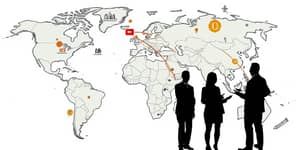
A global S&P survey of over 150,000 adults in 140+ countries found that while basics like numeracy are understood, risk diversification remains poorly grasped.
This knowledge gap leads to tangible losses, such as Americans forfeiting nearly $1,000 annually due to low literacy.
Beyond mere statistics, financial literacy empowers individuals to build secure futures.
Higher literacy levels correlate with reduced debt, greater economic stability, and improved overall well-being.
Empowering people with financial knowledge can break cycles of poverty.
In developing economies, mobile money access has risen, but only 40% saved in an account in 2024, underscoring the need for education.
To navigate finances confidently, focus on mastering these core areas.
Each concept interlinks to create a robust financial mindset.
Particularly, understanding risk is a critical skill that many find challenging, as evidenced by global surveys.
Hope abounds through innovative programs that have achieved measurable impacts worldwide.
These examples prove that tailored education can yield profound results.
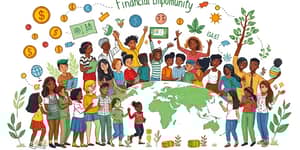
For instance, Operation HOPE engages millions with fun methods, while the World Economic Forum Resource Hub offers best practices.
Despite progress, significant obstacles require innovative and persistent efforts.
Looking ahead to 2026, emerging trends highlight a growing tech-literacy gap.
There is an urgent need for personalized guidance and digital tools to enhance financial inclusion and resilience.
By leveraging technology, we can create adaptive learning platforms that cater to individual needs and circumstances.
The journey to financial literacy begins with proactive steps and community support.
Every individual has the potential to take control of their financial destiny through education and action.
Remember, small consistent actions lead to big changes in personal and economic well-being.
As global citizens, we must unite to bridge the literacy divide, fostering a more inclusive and secure world for all.
Financial literacy is not just about money—it is about freedom, choice, and the ability to thrive in an uncertain future.
References