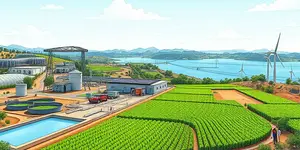
In the face of escalating climate challenges and shifting economic landscapes, decision-makers around the world are seeking solutions that deliver both environmental stewardship and financial returns. long-term economic benefits are no longer theoretical ambitions—they are urgent imperatives. By channeling capital into nature-based systems and sustainable technologies, communities can simultaneously fortify critical infrastructure, combat climate risks, and unlock new avenues for growth.
At its core, green infrastructure finance mobilizes public and private funds to support projects that harness the power of natural and semi-natural systems. From urban forests that filter air pollutants to permeable pavements that reduce flood risk, these interventions work in harmony with the environment. Institutions like the World Bank and the U.S. EPA have emphasized the potential of these approaches to deliver resilient outcomes at scale.
By embedding these principles into planning and financing decisions, governments and investors lay the groundwork for green and sustainable growth that endures for generations.
Communities across coastal, urban, and rural areas face intensifying storms, rising heat stress, and unpredictable water cycles. These trends threaten assets, supply chains, and public health. Strategic investments in green infrastructure can mitigate these threats by reducing urban heat islands, managing stormwater naturally, and improving ecosystem services.
When financial models account for avoided costs—such as flood damages or heat-related health emergencies—green investments often outperform traditional grey solutions. This economic logic is driving a paradigm shift among municipalities, utilities, and private firms.
Green infrastructure finance spans multiple sectors, each offering unique opportunities to drive resilience. Energy infrastructure investments are critical as the U.S. targets approximately $1.4 trillion in upgrades by 2030. Simultaneously, cities are prioritizing natural water management solutions to curb combined sewer overflows and protect water quality.
Innovative financing, such as sustainability-linked loans and stormwater utility fees, further broadens the toolkit available to municipalities and developers. These mechanisms foster accountability by tying financial incentives to measurable environmental outcomes.
The transformative power of green infrastructure finance extends across environmental, economic, and social dimensions. Each dollar invested yields multiple layers of value, reinforcing the case for prioritized funding.
Beyond these direct benefits, green infrastructure elevates community pride, supports local businesses, and increases property values. By valuing ecosystem services, financial models reveal cost savings and revenue opportunities that traditional analyses often overlook.
Global finance flows into green projects have surged. In the first half of 2025 alone, private infrastructure transactions approached $520 billion, with renewables deal value up 48% year-over-year. North American project finance crossed $166.9 billion, marking steady growth driven by strong policy incentives.
Meanwhile, gross fixed capital formation reached USD 28 trillion in 2023, underscoring the scale of assets under development worldwide. Investors are increasingly targeting core+ and value-add hybrid assets that combine stable cash flows with sustainability enhancements.
As thematic investment mandates around energy transition, circular economy, and decarbonization gain traction, green infrastructure stands out as a resilient and performance-driven category. With 86% of infrastructure investors expecting increased deal counts in 2025, the market momentum is clear.
Realizing the full potential of green infrastructure finance requires a collaborative and multidisciplinary approach. Governments must embed nature-based criteria into regulatory frameworks and unlock public funding that reduces project risk. Financial institutions can develop bespoke instruments, such as sustainability-linked debt and green securitizations, to attract a broader investor base.
Local communities and businesses play a critical role as champions and stewards. By participating in stakeholder dialogues and supporting pilot initiatives—such as urban forest expansions or bioswale networks—they help demonstrate feasibility and build public trust.
Together, these actions will build climate-resilient infrastructure that safeguards people, stimulates economies, and nurtures ecosystems for generations to come. The journey toward a resilient economy is challenging but profoundly rewarding. By leveraging green infrastructure finance, we can forge a future where prosperity and sustainability go hand in hand, and where every investment reaffirms our commitment to the planet and to each other.
References